
10 October 2026 · Emre Kurt, Lawyer
Freehold or Leasehold? What to Know Before Buying a Home in England
The difference between freehold and leasehold in England, the remaining lease term, service charges and ground rent — and the questions to ask before buying a leasehold flat.
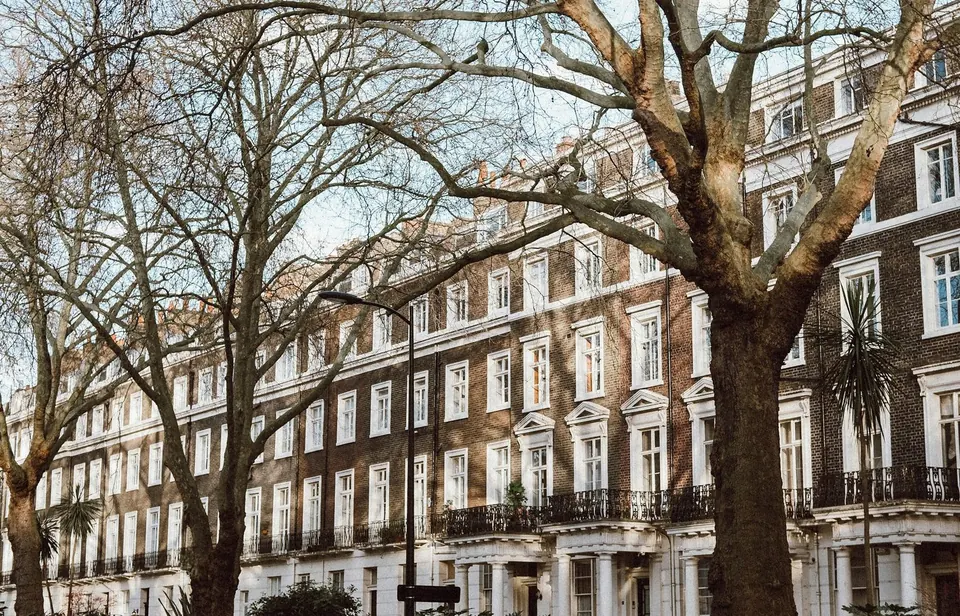
On an English property listing you will usually see “freehold” or “leasehold” right next to the price. These words decide how — and for how long — the home will be yours. For buyers from countries with a different title system, this is one of the most confusing parts of buying in England.
What is freehold?
Freehold is outright ownership of the building and the land it stands on, with no time limit. It is common for detached, semi-detached and terraced houses. Maintenance and insurance are your responsibility, and there is no service charge or ground rent to pay.
What is leasehold?
Leasehold means you hold the property for a fixed term (for example 99, 125 or 999 years). The building and land belong to the “freeholder”; your rights are set out in the lease. Most flats in England are sold leasehold. GOV.UK’s leasehold page summarises the basic rights.
A leasehold flat usually comes with these yearly costs:
- Service charge: covers building maintenance, cleaning of shared areas, insurance and management. It varies widely between buildings.
- Ground rent: if any, a yearly sum paid to the freeholder.
Why the remaining term matters
The value of a leasehold flat is directly affected by the years left on the lease. Once the remaining term falls below 80 years, extending it usually becomes noticeably more expensive. With very short leases some lenders may be reluctant to lend, which can make a later sale harder. A short lease can look cheap — don’t decide without pricing in the cost of an extension.
Ground rent: new and older leases
Since the Ground Rent Act 2022 came into force, most new long residential leases have a ground rent of zero (a “peppercorn”). Older leases may still include ground rent, which can rise over time depending on the lease. If you are buying in an older building, always ask how much the ground rent is and how it increases.
Share of freehold and commonhold
With a share of freehold, the flat owners jointly own the building’s freehold. Your flat is still leasehold, but you and your neighbours own the building and have a direct say in management decisions. Commonhold allows flats to be owned outright with no time limit, but it is still rarely used in England.
Leasehold reform
The Leasehold and Freehold Reform Act 2024 aims to make it easier to extend a lease and to buy the freehold. Its provisions are being brought into force in stages; ask your solicitor which ones apply at the time of your purchase.
7 questions to ask before buying a leasehold flat
- How many years are left on the lease?
- What is the yearly service charge, and how has it changed in recent years?
- Are major works planned, and is there a reserve fund for them?
- Is there ground rent — if so, how much and how does it increase?
- Does the lease restrict letting, short-term letting or pets?
- Who manages the building (the freeholder, a managing agent or the flat owners)?
- How is buildings insurance arranged?
Your solicitor reviews these answers and the full lease during the purchase. See the steps on our process page.
Which should you choose?
It depends on your goals. For a low-maintenance flat in a city centre, leasehold is unavoidable — what matters is reviewing the terms properly from the start. For a family house with a garden and full control, a freehold house may suit you better. We can weigh the options with you in a free consultation. For the bigger picture, see our guide to buying a home in England.
This article is general information, not personal legal advice. Get your solicitor’s view on any specific property.
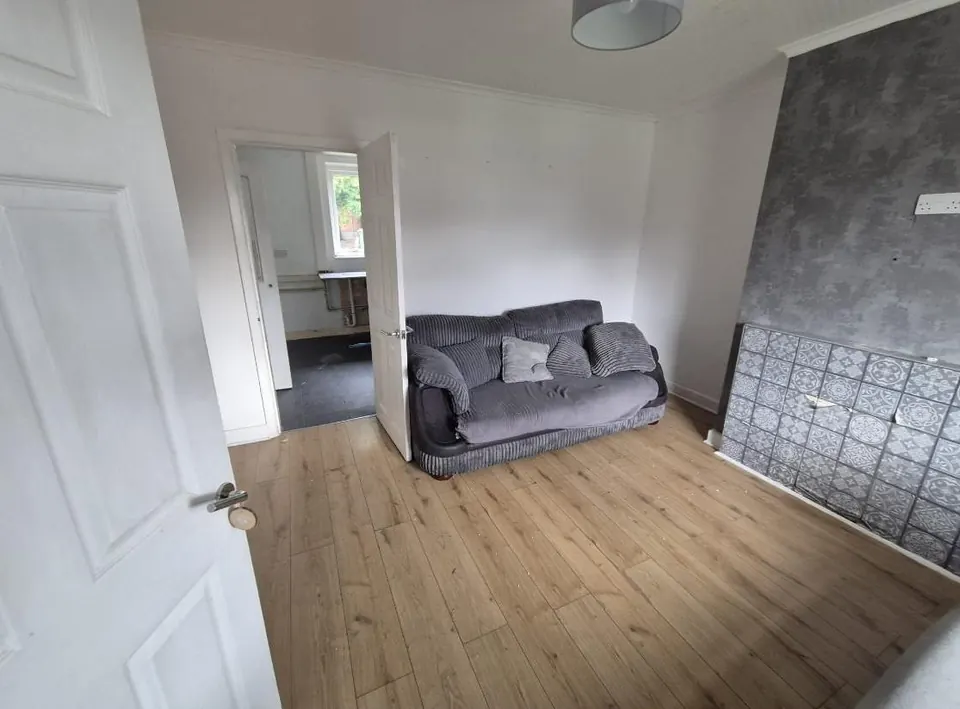
Atherton (M46) · ManchesterSH-13
3-Bedroom Semi-Detached House in Atherton
A freehold three-bedroom semi-detached house from the 1950s with a private rear garden in Atherton (M46), Greater Manchester.
- Bedrooms
- 3
- Bathrooms
- 1
- Floor Area
- 56 m²
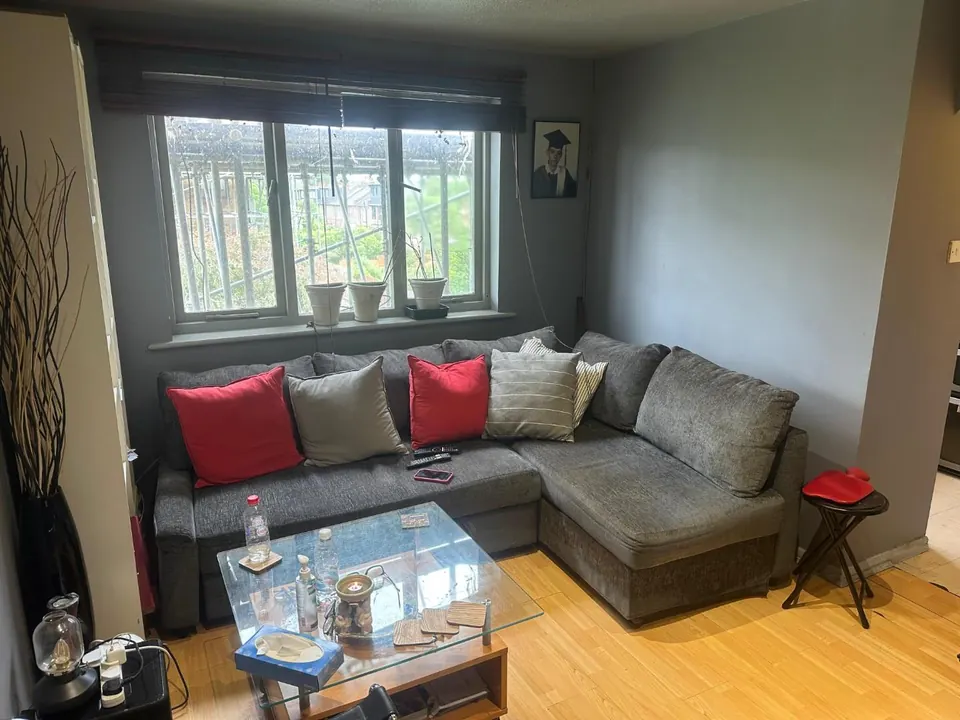
Brent (NW10) · LondonSH-15
1-Bedroom Flat in Brent
A 1992-built one-bedroom flat of about 40 m² in Brent (NW10), with a quoted cost for extending its lease.
- Bedrooms
- 1
- Bathrooms
- —
- Floor Area
- 40 m²
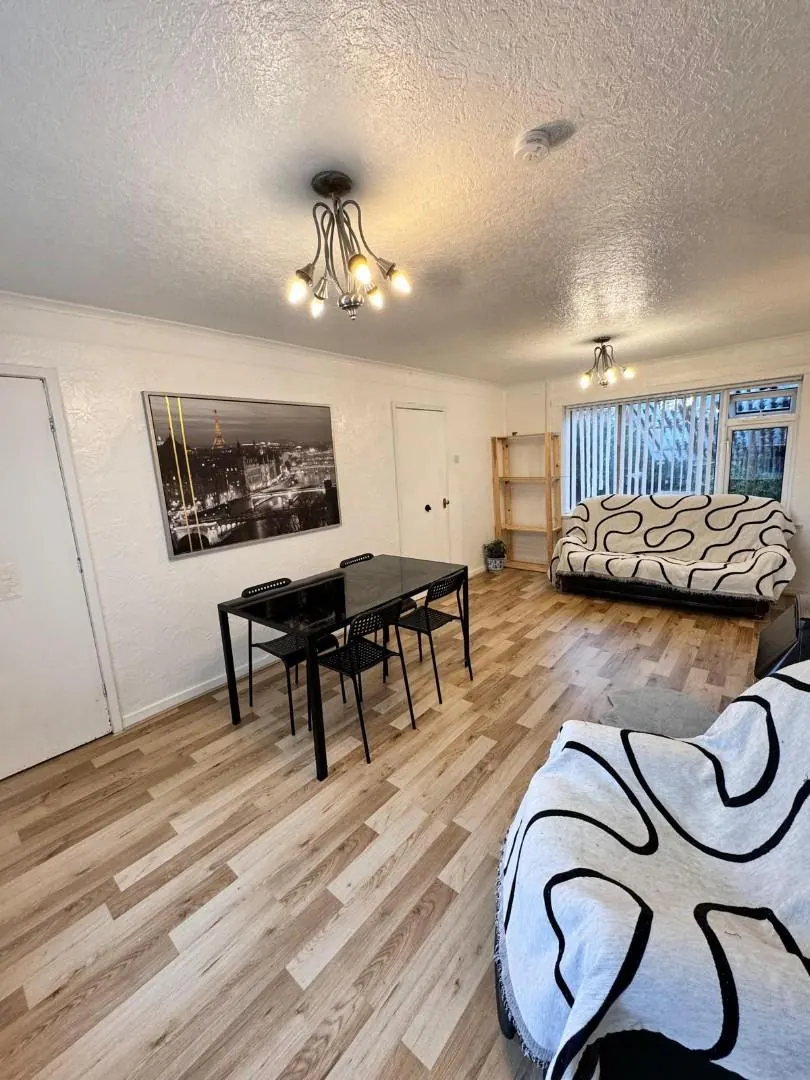
Atherton (M46) · ManchesterSH-19
3-Bedroom Semi-Detached House with Gardens in Atherton
A three-bedroom semi-detached house of about 94 m² with front and rear gardens in Atherton (M46), Greater Manchester.
- Bedrooms
- 3
- Bathrooms
- —
- Floor Area
- 94 m²