
10 October 2026 · Emre Kurt, Lawyer
Proving Your Source of Funds When Buying in England: ID and AML Checks Explained
The ID and source-of-funds documents a solicitor asks for when you buy a home in England, what to watch when transferring money from abroad, and common mistakes.
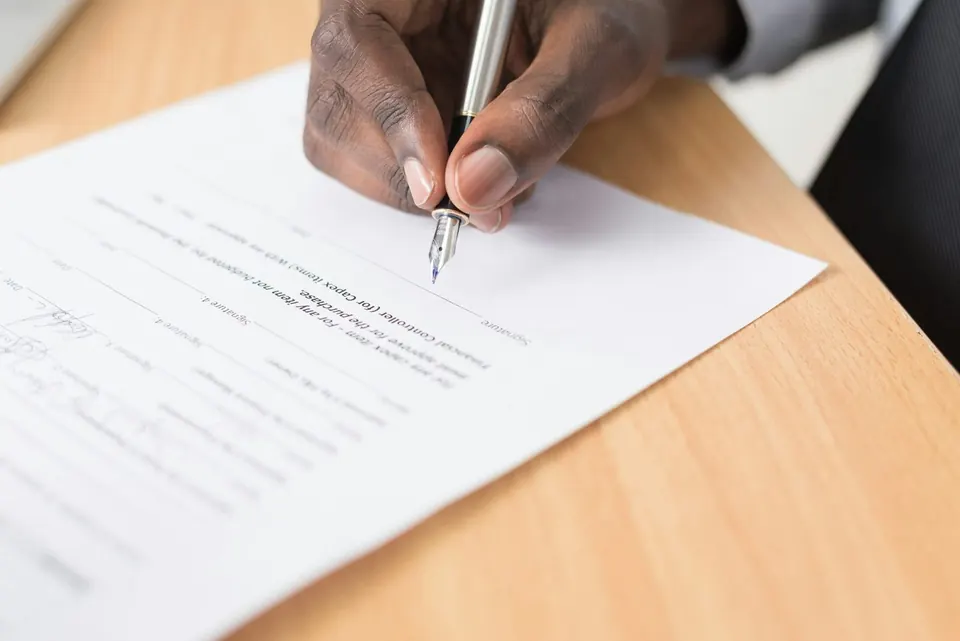
One step that surprises many overseas buyers in England is how closely the solicitor asks where the money comes from. It is not personal suspicion — it is a legal requirement. Preparing the documents early is the best way to avoid delays.
Why these checks happen
In the UK, solicitors, conveyancers and estate agents are covered by anti-money-laundering law (the Money Laundering Regulations 2017). They must verify their clients’ identity and document that the money used in a purchase comes from a legitimate source. Until these checks are complete, the solicitor cannot move the transaction forward.
Two different ideas: source of funds and source of wealth
- Source of funds: where the money for this purchase comes from directly — for example, “the sale of my flat abroad”.
- Source of wealth: how you built your wealth overall — your job, business, investments or an inheritance.
Solicitors often ask about both. The aim is to trace the money’s journey from start to finish.
Documents commonly requested
The list varies by firm and by your situation; these are the most common:
Identity and address
- A valid passport
- Recent proof of address (for example a utility bill or bank letter from the last few months)
Depending on where the money comes from
- Savings: bank statements over several months or longer showing how the money built up, plus payslips
- Property sale: the sale documents and a bank statement showing the proceeds arriving in your account
- Business income: dividend records, company accounts or an accountant’s letter
- Inheritance: probate or estate documents and records of the money reaching your account
- Family gift: a signed gift letter from the donor, their ID and evidence of their own source of funds
Transferring money from abroad
- Traceability: sending the money by bank transfer from an account in your own name makes everything easier. Many small transfers between accounts make the trail harder to follow.
- Keep receipts: keep the bank confirmation and reference for every transfer.
- Translations: your solicitor may ask for certified English translations of foreign-language documents. Ask early which ones are needed.
- Cash: many solicitors do not accept cash. If you need to deposit cash in a bank first, you will be asked to explain its source too.
- Timing: currency exchange and international transfers can take several days. Plan exchange and completion dates around this.
Common mistakes
- Starting to gather documents only after the offer is accepted
- Not explaining intermediate accounts the money passed through
- Leaving family support undocumented
- Leaving translations to the last minute
Where this fits in the process
ID and source-of-funds checks happen as soon as you instruct a solicitor, and nothing moves until they are done. If you are borrowing, the lender runs its own checks too. See the full journey on our process page and the costs in our Stamp Duty article.
In a free consultation we can list together which documents you will need for your situation.
This article is general information, not personal legal advice. Your solicitor sets the exact list of documents required.
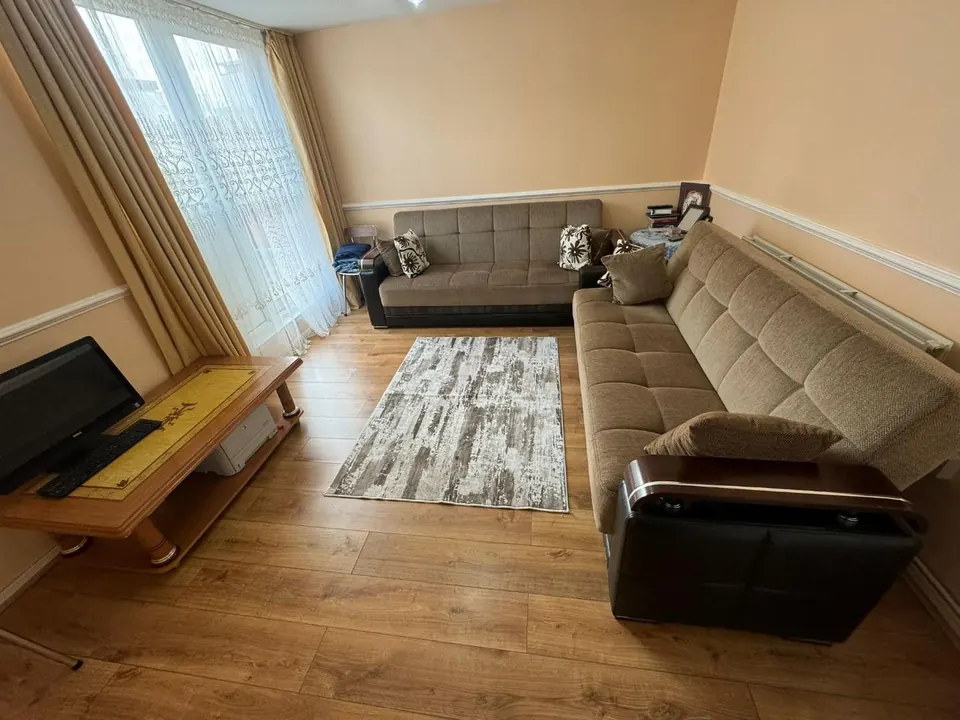
Tottenham (N15) · LondonSH-17
1-Bedroom Flat with Balcony in Tottenham
A well-kept first-floor one-bedroom flat in Tottenham (N15) with a large terrace balcony in a secure building.
- Bedrooms
- 1
- Bathrooms
- 1
- Floor Area
- —
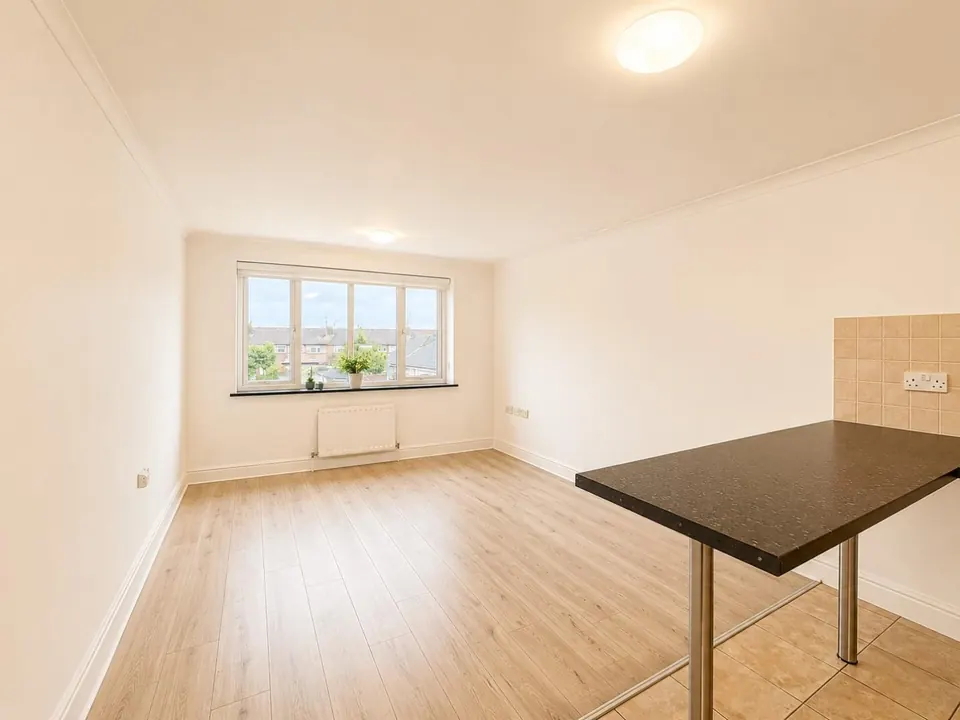
Waltham Cross (EN8) · HertfordshireSH-02
1-Bedroom Flat in Waltham Cross
A 2006-built one-bedroom flat in Waltham Cross (EN8), around ten minutes on foot from the railway station, currently tenanted.
- Bedrooms
- 1
- Bathrooms
- 1
- Floor Area
- —
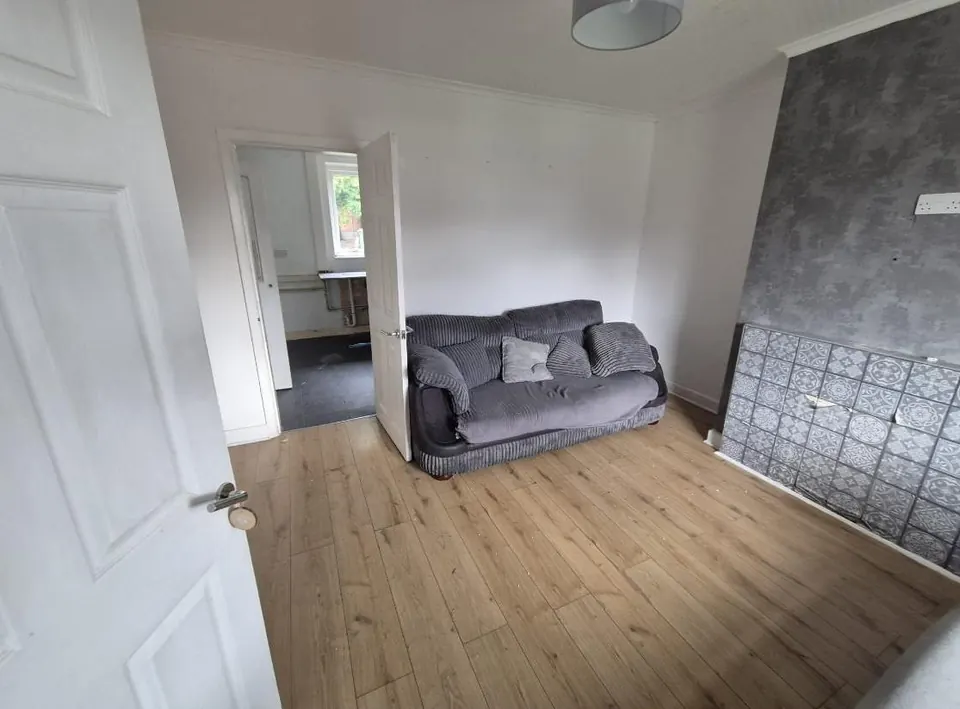
Atherton (M46) · ManchesterSH-13
3-Bedroom Semi-Detached House in Atherton
A freehold three-bedroom semi-detached house from the 1950s with a private rear garden in Atherton (M46), Greater Manchester.
- Bedrooms
- 3
- Bathrooms
- 1
- Floor Area
- 56 m²